 Service Notifications
 My Downloads
 Blog
Blog
 AI
AI PSD
PSD INDD
INDD CDR
CDRDesign Guide, Design Trends
Launch Faster with Prebuilt Websites: A Practical Guide
If there’s one lesson I’ve learned after years of designing and building websites for clients across different industries, it’s this: speed matters—but not at the expense of quality.
Too many business owners delay going live because they believe a “real” website must start from a blank screen. I’ve watched startups burn months (and budgets) chasing perfection while competitors launch, iterate, and start making sales. That’s why I consistently recommend a smarter approach: launch faster with prebuilt websites.
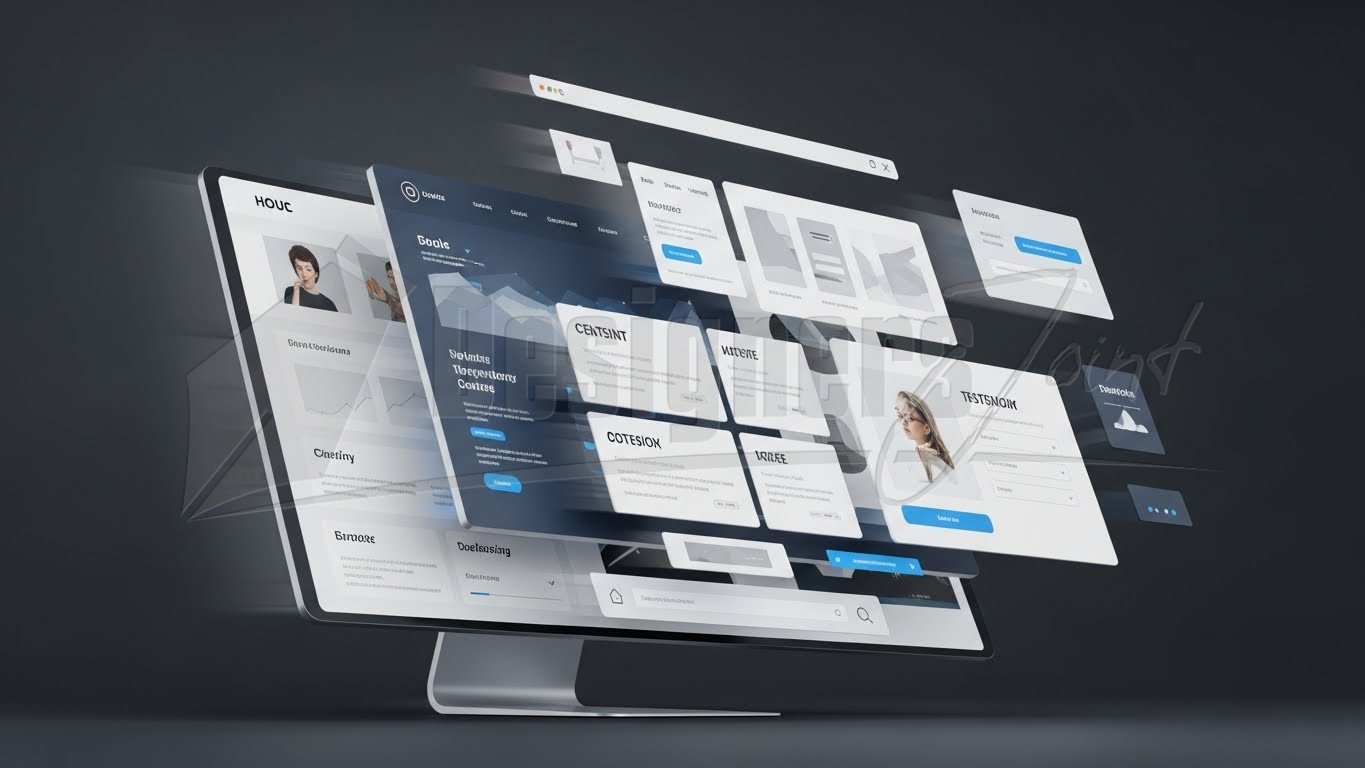
Prebuilt websites aren’t shortcuts. When done right, they’re strategic foundations—built by professionals, tested in real-world scenarios, and designed to grow with your business. In this article, I’ll walk you through why prebuilt websites work, when they make sense, and how a product like the Prebuilt WooCommerce Digital Store WordPress Website available at Designers Joint can help you get online without friction.
By the end, you’ll know exactly how to move faster without cutting corners.
Why Speed to Launch Is a Competitive Advantage
In today’s digital economy, timing can be the difference between traction and obscurity. A website isn’t just a digital brochure—it’s often your first salesperson, your storefront, and your credibility check.
From experience, most visitors decide whether to trust your brand within seconds. If you’re not online—or your site feels unfinished—you’re already losing opportunities.
Launching quickly allows you to:
Start collecting real customer feedback early
Validate your product or service in the market
Build search engine presence sooner
Generate revenue while refining your brand
This is where the idea to launch faster with prebuilt websites becomes less about convenience and more about strategy. Instead of spending months designing layouts, structuring pages, and configuring plugins, you start with a working system that’s already been thought through.
What Prebuilt Websites Really Are (and What They’re Not)
There’s a lot of confusion around prebuilt websites, and I’ve heard every misconception imaginable.
Let’s be clear.
A professional prebuilt website is not:
A generic one-size-fits-all template
A rigid design you can’t customize
A low-quality shortcut
A quality prebuilt website is:
Designed by professionals with real project experience
Built around proven layouts and user behavior
Structured for performance, responsiveness, and SEO
Fully customizable to match your brand
In my own workflow, prebuilt sites often start from frameworks I’ve refined over dozens of projects. Why? Because certain structures simply work. Reinventing them every time wastes resources.
The difference lies in who built it and how it’s built. That’s why marketplaces like Designers Joint matter—they focus on curated, production-ready websites rather than mass-produced designs.
The Real Cost of Custom Development vs Prebuilt Solutions
One of the hardest conversations I’ve had with clients is explaining why their “simple” custom website quote comes back higher than expected.
Custom development involves:
Discovery and planning
UX and wireframing
Visual design revisions
Testing, optimization, and fixes
Each step takes time—and time costs money.
Prebuilt websites flip this equation. The planning, structure, and base development are already done. You’re paying for refinement and customization, not reinvention.
This is why many professionals quietly use prebuilt foundations even for high-end projects. The end user never knows, and frankly, they don’t need to. What matters is performance, usability, and results.
If your goal is to launch faster with prebuilt websites, you’re choosing efficiency without sacrificing professionalism.
Example in Practice: Prebuilt WooCommerce Digital Store WordPress Website
Let’s get specific.
The Prebuilt WooCommerce Digital Store WordPress Website available at Designers Joint is a strong example of how prebuilt solutions can serve real business needs—especially for digital products.
I’ve built and audited many WooCommerce stores over the years, and digital product stores have unique requirements:
Clean product layouts without clutter
Smooth checkout with minimal friction
Proper handling of digital downloads
Performance optimization for conversions
This prebuilt store addresses those needs out of the box. Instead of spending weeks configuring WooCommerce, payment gateways, digital delivery, and page layouts, you start with a store that’s already functional.
What I particularly like is that it:
Uses WordPress, making it easy to manage long-term
Integrates WooCommerce correctly, not as an afterthought
Is structured for scalability as product catalogs grow
Allows branding changes without breaking the system
For creators, educators, and entrepreneurs selling digital products, this kind of setup can shave months off launch time.
And yes—you can still customize everything.
Types of Prebuilt Websites
Not all prebuilt websites serve the same purpose. Choosing the right type is crucial.
Prebuilt Business Websites
Designed for service providers, companies, and professionals who need credibility, clarity, and lead generation.
Prebuilt Portfolio Websites
Ideal for designers, photographers, videographers, and creatives who want to showcase work cleanly and professionally.
Prebuilt E-commerce Websites
Built for selling products online, including physical goods and digital downloads.
Prebuilt WooCommerce Digital Store Websites
Purpose-built WordPress websites for selling digital products like eBooks, courses, templates, and software.
A strong example is the Prebuilt WooCommerce Digital Store WordPress Website available at Designers Joint, which comes ready with WooCommerce configured and layouts designed specifically for digital sales.
Why WordPress Dominates Prebuilt Websites
Over the years, I’ve worked with many platforms, and WordPress remains the most flexible foundation for prebuilt websites.
Here’s why:
Easy content management
Massive plugin ecosystem
Strong SEO capabilities
Long-term scalability
Full ownership and control
When combined with WooCommerce, WordPress becomes especially powerful for digital stores. You can manage products, payments, downloads, and customers from one dashboard.
SEO and Performance Benefits of Prebuilt Websites
Here’s a truth that surprises many business owners: prebuilt websites often perform better than rushed custom builds.
Why?
Because experienced designers and developers have already:
Optimized heading structures
Thought through internal linking
Minimized unnecessary scripts
Designed layouts that reduce bounce rates
When I audit underperforming custom sites, I frequently find basic issues—poor page hierarchy, bloated plugins, inconsistent design decisions. These problems don’t come from lack of talent; they come from time pressure.
A well-made prebuilt site avoids these pitfalls because it’s built once, refined many times, and sold only after it works.
If SEO matters to you—and it should—starting with a solid foundation is a smart move. It’s another reason many professionals choose to launch faster with prebuilt websites rather than gamble on rushed builds.
Customization Without Chaos: Making a Prebuilt Site Yours
One concern I hear often is: “Won’t my site look like everyone else’s?”
Only if you leave it untouched.
Prebuilt websites are frameworks, not final brands. With proper customization, you can:
Apply your brand colors and typography
Replace imagery and content
Adjust layouts to match your messaging
Add or remove sections as needed
In fact, customization is easier on prebuilt sites because the structure is clean. You’re not fighting against messy code or half-finished ideas.
I’ve seen prebuilt sites transformed so completely that even their creators wouldn’t recognize them. The key is starting with a strong base.
Who Should Use Prebuilt Websites (and Who Shouldn’t)
Prebuilt websites are ideal for:
Startups that need to validate quickly
Small businesses with limited budgets
Agencies managing multiple client sites
Entrepreneurs who value speed and control
They may not be ideal if:
You require a highly specialized web application
Your business depends on complex custom logic
You have enterprise-level compliance requirements
For most online businesses, though, prebuilt websites offer the best balance of speed, quality, and cost.
Conclusion: Build Momentum, Not Just a Website
A website should move your business forward—not hold it hostage.
After years in this industry, I’ve seen one pattern repeat itself: businesses that launch sooner learn faster, adapt quicker, and grow stronger. Waiting for the “perfect” custom build often leads to missed opportunities.
If your goal is to launch faster with prebuilt websites, choosing a professional solution like the Prebuilt WooCommerce Digital Store WordPress Website is a practical step—not a compromise.
Explore high-quality, ready-to-use websites built by professionals at DesignersJoint.com and start building momentum today instead of waiting for someday.
Frequently Asked Questions
1. Are prebuilt websites good for SEO?
Yes. Professionally built prebuilt websites often have better structure, cleaner code, and faster load times than rushed custom builds, which helps SEO.
2. Can I fully customize a prebuilt WordPress website?
Absolutely. You can change branding, layouts, content, and functionality just like a custom site, especially with WordPress-based solutions.
3. Is WooCommerce suitable for digital products?
WooCommerce works very well for digital products when configured correctly, including secure downloads, payment handling, and order management.
4. Will my website look generic if I use a prebuilt design?
Not if you customize it properly. With branding, content, and layout adjustments, a prebuilt site can look completely unique.