 Service Notifications
 My Downloads
 Blog
Blog
 AI
AI PSD
PSD INDD
INDD CDR
CDRDesign Guide
Branding Mistakes Designers Make That Cost Clients Trust (How to Fix Them)
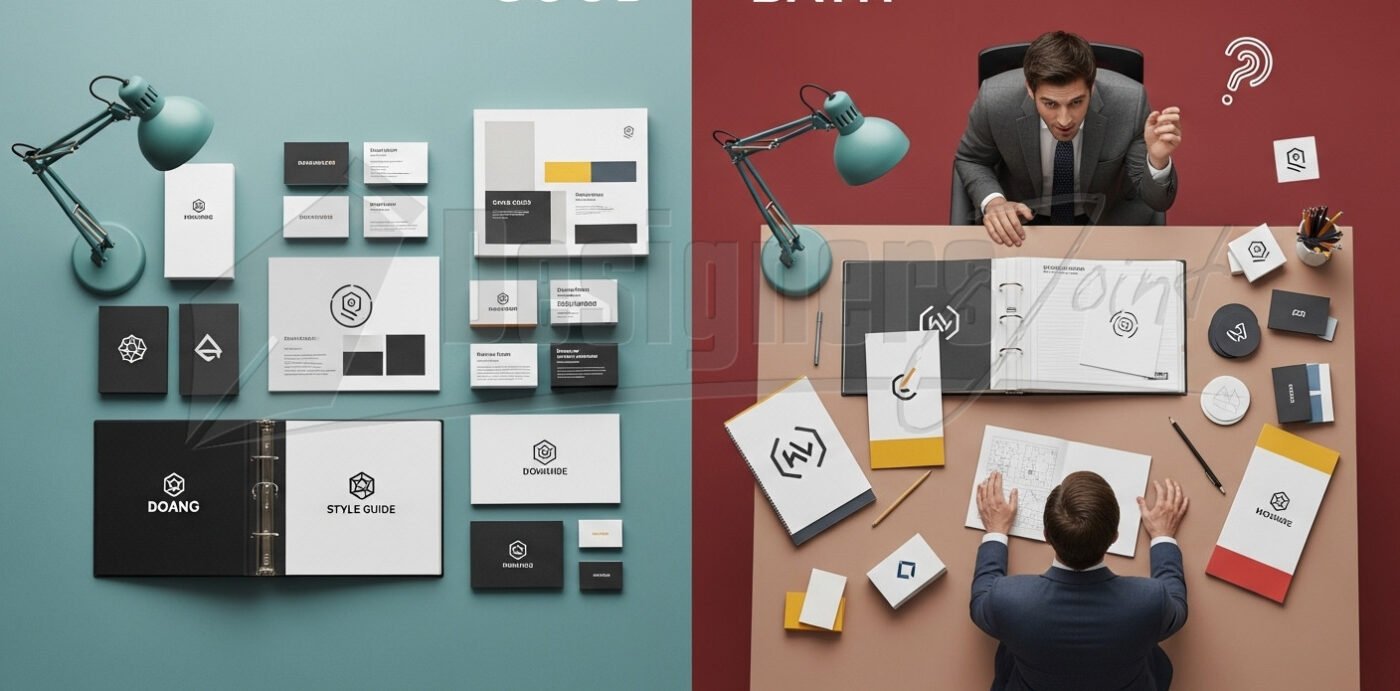
For over twenty years, I’ve sat on both sides of the table—as a designer crafting identities and as a consultant brought in to fix broken ones. I’ve seen stunning portfolios that win awards but fail to build businesses. I’ve watched brilliant creatives produce beautiful work that, somehow, erodes the very trust their clients need to survive. The hard truth is this: a branding project can be aesthetically perfect yet strategically bankrupt. And that’s what costs clients trust, revenue, and market position.
The core issue often isn’t a lack of talent, but a misalignment of priorities. We get seduced by trends, by the desire to impress our peers, or by the assumption that our taste is the ultimate goal. But real branding isn’t about what we like; it’s about what resonates with the client’s audience and builds a lasting relationship with them. Today, I want to walk you through the most common, and often most costly, branding mistakes designers make that cost clients trust. By understanding these, we can move from being mere decorators to becoming indispensable strategic partners.
1. Prioritizing Aesthetics Over Authenticity & Strategy
This is the granddaddy of all branding blunders. We’ve all done it early in our careers: fallen in love with a font, a color palette, or a minimalist layout and forced it onto a client for whom it’s completely unsuitable.
I recall a project years ago where I designed a sleek, monochrome, ultra-modern identity for a family-run organic bakery. It looked incredible on my Behance profile. But at the launch, the bakery’s loyal customers were confused. The warm, homemade, earthy feeling they loved was gone, replaced by something that felt cold and corporate. Their trust—built on tradition and personal connection—wavered. Sales dipped. We had to recalibrate quickly.
The mistake was starting with a visual style instead of a strategic foundation. Before opening Photoshop, ask: What is the company’s core purpose? Who are they truly speaking to? What is their unique story? The brand identity must be a visual translation of this core strategy, not a mask placed over it. Authenticity builds trust; a facade eventually cracks.
2. Inconsistent Application Across Touchpoints
A brand is a promise. And nothing breaks a promise faster than inconsistency. You can design a perfect logo and a beautiful style guide, but if you don’t stress the sacred importance of consistent application, it all falls apart.
A client of mine, a tech startup, had a gorgeous logo and palette. But their social media manager used different filters on every post. Their sales team created their own PowerPoint templates. Their product packaging used a slightly different shade of blue. To a potential customer, this didn’t look “creative” or “dynamic.” It looked sloppy, unprofessional, and untrustworthy. Was this a solid company or a fly-by-night operation? The visual chaos whispered the latter.
As designers, our job isn’t done with the delivery of assets. We must educate our clients on being brand guardians. Provide clear, usable, and simple guidelines. Design key templates yourself. Show them how inconsistency dilutes recognition and erodes professional credibility. Trust is built on reliability, and a consistent brand is reliably itself at every single point of contact.
3. Designing for the Client, Not the Client’s Audience
The client writes the check, so we naturally want to please them. But a major branding mistake that costs clients trust is creating an identity that appeals only to the CEO’s personal taste, not to the people who actually buy the product or service.
I once worked with a founder in the extreme sports industry who was in his 50s but whose target audience was fearless 18-25-year-olds. He wanted a logo that felt “established” and “serious.” His audience wanted something that felt raw, energetic, and rebellious. Had we followed his personal preference, the brand would have been instantly rejected by its core market, seen as out-of-touch and inauthentic.
Your role is to be the advocate for the end-user. Use data, audience personas, and market research to guide your decisions. Have the sometimes-difficult conversation: “I understand your personal preference, but here’s what will resonate with your ideal customer.” When you connect a client with their audience, you build trust for them and with them.
4. Overcomplicating the Visual Message
In an effort to be unique or “clever,” we can sometimes create logos and systems that are confusing, cluttered, or difficult to parse. A logo that needs an explanation has already failed. Simplicity is not laziness; it’s intelligent clarity.
Think of the most trusted brands in the world: Apple, Nike, Target. Their marks are devastatingly simple. They are scalable, reproducible in a single color, and instantly recognizable. Now think of a logo you saw that had three concepts mashed into one, four colors, and a tiny tagline woven into the icon. It’s forgettable at best, off-putting at worst.
Complexity creates friction. In a split-second, a potential customer’s brain must recognize, process, and feel something about your client’s brand. If the visual message is muddled, that feeling is doubt. Strive for elegant simplicity. It’s more professional, more versatile, and ultimately, more trustworthy.
5. Ignoring Functionality & Usability in Brand Assets
This is a huge one, especially in the digital age. We design a stunning website header that breaks on mobile. We specify a beautiful thin font that becomes illegible in small print on a business card or a social ad. We choose a brand color that fails web accessibility standards, making the website unusable for a portion of the population.
Each of these choices, while visually driven, tells a user, “You were not considered.” If your client’s website isn’t accessible, you’re telling people with disabilities they aren’t valued customers. If their content is hard to read, you’re telling busy people to look elsewhere. This isn’t just poor design; it’s a breach of social and functional trust.
A trustworthy brand is inclusive and considerate. Always design with real-world application and accessibility (WCAG guidelines) in mind. Test your colors for contrast. Ensure typography is legible at all sizes. This shows care for the audience and protects your client from alienating potential customers.
6. Neglecting the Verbal Identity (Tone of Voice)
Branding is not just visual. Many designers deliver a logo, palette, and fonts and call it a day. But what does the brand sound like? Is it friendly and conversational or authoritative and direct? Does it use technical jargon or plain English? A disconnect between the visual and verbal identity is jarring and confusing.
Imagine a brand with a playful, cartoonish logo and bright colors, but its website copy is full of formal, corporate legalese. The mismatch creates cognitive dissonance. Which one is the real company? This confusion undermines trust.
Work with a copywriter, or develop basic tone-of-voice guidelines yourself. Define key brand personality traits and translate them into writing dos and don’ts. A cohesive brand experience, where everything looks and sounds like it comes from the same soul, is a profoundly trust-building machine.
7. Failing to Future-Proof the Brand
Chasing design trends is a dangerous game. What’s hot on Dribbble today will look dated in two years. One of the most serious branding mistakes designers make is giving a client an identity so tied to a trend that it requires a costly overhaul sooner than necessary.
The goal is timelessness, not timelessness in a vacuum, but a core identity flexible enough to adapt. A logo might allow for seasonal color variations. A visual system might have dynamic elements that can be updated without losing core recognition. Design with evolution in mind.
Teach your client that a brand is a living system, not a static monument. Provide a strong, timeless core (often the logo mark itself) with surrounding elements that can breathe and adapt. This builds long-term trust and saves them from repeated, reactive redesigns.
Building Trust is the Ultimate Design Brief
Avoiding these branding mistakes that cost clients trust shifts your value proposition. You’re no longer just the person who makes things look good. You become the strategic partner who protects their public perception, connects them with their audience, and builds a tangible asset that drives their business forward.
This journey requires humility, curiosity, and a shift from self-expression to problem-solving. It’s about asking “why” before “what.” When you get it right, the reward isn’t just a happy client—it’s a successful, resilient brand that stands the test of time, and a client relationship built on profound trust.
Ready to transform your design approach and build unshakeable client trust? At DesignersJoint.com, our community is built for designers who want to move beyond aesthetics and become strategic brand partners.
For the designers in our community who are ready to work smarter and embed trust into their process from the first client meeting, we’ve built something special. Over at DesignersJoint.com, we’re having a major flash sale on our entire library of Digital Graphic Design Templates—curated specifically to help you avoid common pitfalls and deliver impeccable, trust-worthy work faster.
These aren’t just pretty files. They are strategic tools designed by veteran designers who’ve been in the trenches. Each template is built with the lessons from this article in mind:
Brand Style Guide Templates: Kickstart projects with a comprehensive structure that covers logo usage, color systems (with accessibility notes), typography hierarchies, and imagery guidelines. This alone solves the inconsistency problem and makes you look incredibly professional.
Client Presentation & Proposal Kits: Present your work and proposals with a cohesive, branded look that builds confidence before you even start the design work. Show them you’re organized and strategic from the very first interaction.
Social Media Brand Kits: Give your clients (or your own studio) a ready-to-use system for social content that maintains visual coherence across platforms, turning their channels into trust-building assets, not afterthoughts.
Logo & Identity Exploration Decks: Structure your creative presentations in a way that tells the strategic story behind each concept, guiding clients to make informed choices based on their audience, not just personal taste.
FAQs
Q1: How can I tactfully steer a client away from a bad design choice that hurts their brand trust?
A: Use the audience as your ally. Instead of saying “I don’t like that,” say, “Based on the research we did on your target customer, this approach might not resonate with them because…” or “Let’s test how this performs in terms of accessibility/readibility.” Frame the feedback around achieving their business goals, not personal taste.
Q2: My client has a limited budget. What’s the one branding element I should prioritize to build trust?
A: Prioritize ruthless consistency across their most visible touchpoints. Even with a simple logo and two colors, ensure they are applied exactly the same way on their website, social profiles, and core business documents (invoice, proposal). A consistently presented brand on a budget appears more professional and reliable than a fragmented “full” identity.
Q3: What’s the best way to create a future-proof brand on the first try?
A: Focus on a strong, simple core symbol or wordmark. Avoid decorative elements tied to current trends. Build the system with a foundational, neutral palette, and then add a more trend-conscious “accent” color that can be changed more easily. Design with modularity in mind so the system can expand.
Q4: How do I handle a client who insists on designing for themselves instead of their audience?
A: Present data if possible (competitor analysis, audience surveys). Create two mockups: one following their direct preference, and one following the strategy based on their audience. Present them side-by-side with a clear rationale. Sometimes, seeing the contrast makes the strategic choice clear. Ultimately, if they refuse, you must decide if the project aligns with your professional ethics.